RVault Box RVault Box

How to Hide a Book Safe on a Bookshelf in 2026?

Time:2026-09-27 Author:Henry
0%

A book safe can keep small valuables out of casual view, but a convincing setup takes more than choosing a hollow-looking spine. In 2026, readers can find models in different sizes, materials, and locking styles. The right choice depends on what you plan to store, the shelf’s depth, and how often you need access. A safe should fit naturally among your books, not stand out as a prop.

This guide explains How to hide a book safe on a bookshelf effectively, from selecting a suitable design to placing it where it looks ordinary. Check the safe’s dimensions before buying, then compare them with the books around it. A small gap, mismatched height, or unusually pristine cover can attract attention. Keep the item stable and within easy reach, and follow the manufacturer’s instructions for its lock and care. A bookshelf is not a substitute for a fire-rated safe or secure storage for high-value items. That distinction matters.

Good concealment is subtle. Still, no hiding place is foolproof. Think about who shares your home, whether children can reach the shelf, and how easily you can retrieve the contents. Even careful arrangements may need adjustment as your collection changes. The practical details are simple, but they deserve a second look.
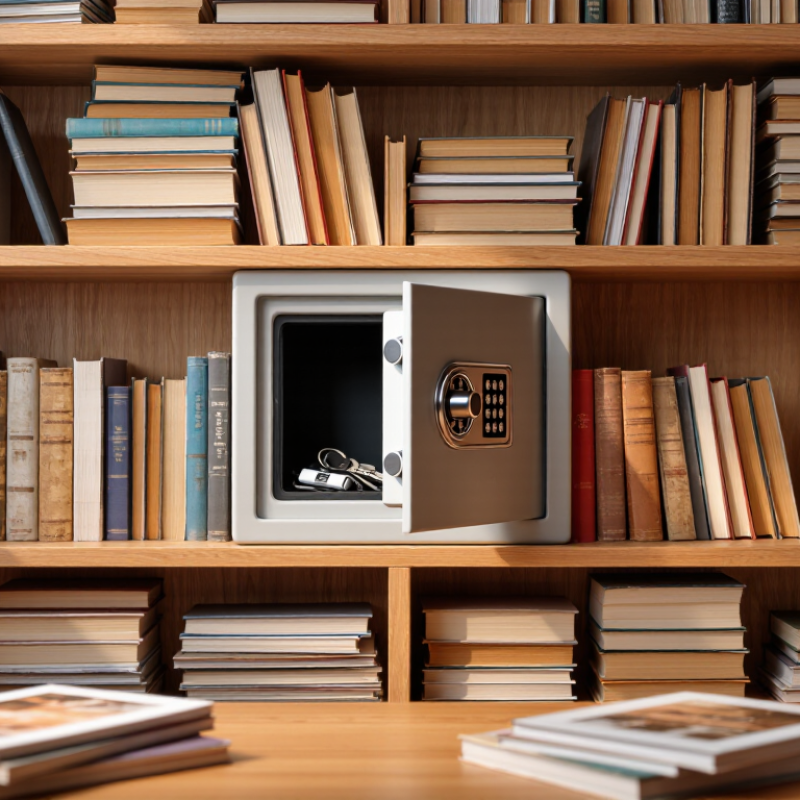
How to Hide a Book Safe on a Bookshelf in 2026?

Choose a Book Safe and a Suitable Bookshelf Location

Choose a book safe that fits your shelf, not one that forces the shelf to look unusual. Measure the height, depth, and width of the intended space, then compare them with the safe’s dimensions, including its spine. A realistic cover, familiar title style, and natural-looking page edges help it blend in. Avoid a book that is noticeably taller or thicker than its neighbors. Small mismatches stand out.

Pick a stable shelf at a comfortable height, away from direct sunlight, heaters, and damp walls. Check that the shelf can support the safe’s weight, especially if it holds other heavy books. Place the safe among books with similar colors and sizes, and leave enough room to remove it without scraping nearby spines. A crowded shelf may seem useful, but it can make access awkward and draw attention when books are repeatedly shifted. Look at the arrangement from the doorway, too. It may feel less convincing than it does up close.

Tips: Keep the safe’s key or combination information separate from the shelf. Test the door gently after placement, and make sure the shelf does not wobble. Recheck the setup occasionally; dust patterns and one oddly placed book can reveal more than expected. Perfect concealment is difficult, and a natural arrangement matters more than clever tricks.

Measure the Shelf and Plan the Safe’s Placement

Measure the shelf’s clear width, height, and depth, not its outside dimensions. Check the opening at the front and back; older bookcases can be slightly uneven. Measure the book safe with its door closed, then allow room for hinges and easy removal. A half-inch of clearance on each side is a practical starting point, but test the fit with a cardboard mock-up. It may feel fussy. It prevents a tight, awkward fit.

Plan placement around shelf strength and stability. Put the safe low, where its weight is less likely to make the bookcase top-heavy. The U.S. Consumer Product Safety Commission reported 234 tip-over-related deaths among children from 2000 through 2022, involving furniture and televisions. That figure is a useful reminder to assess the whole unit, not just the shelf opening. Check the manufacturer’s load guidance, distribute books evenly, and secure the bookcase when appropriate. Keep the safe’s spine aligned with neighboring books, but leave enough space to pull it out without scraping adjacent covers. A quick test with the shelf loaded can reveal sagging or wobble. I once assumed a shelf was level by eye; it wasn’t. A small spirit level is better.

Blend the Book Safe with Similar Books

Choose a book safe that matches the height and depth of nearby hardcovers. A glossy, oversized volume can look odd among faded paperbacks. Notice the shelf’s ordinary pattern: spine colors, lettering styles, and how tightly books sit together. Then choose neighboring books that make the safe’s spine feel unremarkable.

Small details matter. Line up the top edges, and leave similar gaps on both sides. A slight lean can help if the other books lean too, but a perfectly staged row may attract attention. Try moving a few books around and view the shelf from the doorway, where visitors usually see it. Check again in daylight; colors can look different under warm lamps. I once focused too much on matching titles and missed the bright, newer spine beside them. It looked wrong. Keep the safe easy for you to identify without marking it conspicuously, and avoid forcing books tightly against its door. That can make access awkward or wear the surrounding covers. A book safe is a discreet storage option, not a substitute for secure storage when valuables need stronger protection.

How to Hide a Book Safe on a Bookshelf in 2026? Blend the Book Safe with Similar Books

Choose a book safe that fits naturally among books of a similar format. These representative trim sizes are approximate; actual dimensions vary by edition and publisher.

Before arranging the shelf, compare the safe’s height and width with nearby books. Matching the general format helps it look at home without forcing books out of alignment.

Check for Visible Clues from Different Angles

A book safe can look convincing straight on and still fail from the side. Place it among books of similar height, then inspect the shelf from the doorway, seated eye level, and a low angle. Watch for a dark rectangular gap, an unusually thick spine, or a cover that sits proud of its neighbors. Check the shelf under warm and cool light; glare can reveal edges that disappear in softer light. The FBI’s 2023 Crime in the United States report estimated 847,522 burglary offenses nationwide. That figure does not measure book-safe effectiveness, but it is a useful reminder to treat concealment as one layer, not a guarantee.

Tips: Take a quick phone photo from each viewing angle and compare it with the surrounding shelves. Look for repeated patterns: one book facing backward, a sudden color break, or dust missing from a single spot. Keep the safe stable, and avoid forcing it into a shelf that bows. Small clues matter.

Check again after rearranging nearby books or changing the room’s lighting. Ask someone unfamiliar with the shelf what catches their eye, without telling them what to find. Their first glance may reveal what you have stopped noticing. I still find this test imperfect; people look at shelves differently, and no arrangement stays unnoticed forever.

Keep the Safe Stable, Accessible, and Secure

A book safe works best when it feels like part of the shelf, but stability matters more than a perfect disguise. Choose a thick, sturdy book that sits upright without leaning. Check that the safe’s weight does not make the shelf bow or tilt. A small shelf can shift when you pull the book forward, which is easy to overlook. If needed, move heavier books to lower shelves or secure the shelving unit according to its instructions.

Keep the safe within comfortable reach, not wedged behind a row of books you must remove every time. Leave a little space around it so the cover opens smoothly and the lock is easy to use. Test access with the shelf fully loaded. It may feel different once the neighboring books press against it. That detail matters.

For better security, place the safe away from windows and casual view, and avoid drawing attention with an unusually neat gap. Keep its contents dry and within the safe’s capacity. Do not store anything that needs special fire or moisture protection unless the safe is rated for it. A book safe offers a modest layer of privacy, not strong protection against determined searching. Check its position now and then; shelves settle, and a once-stable book can start to sag.

FAQS

How should I choose a book safe that fits my shelf?

Measure the available height, depth, and width, including the safe’s spine. Choose one close in size to nearby books. Small differences can stand out.

Where is a suitable place for a book safe?

Use a stable shelf away from sunlight, heaters, and damp walls. Check that the shelf can support its weight without wobbling.

What visual clues might make a book safe noticeable?

Look for an unusually thick spine, a raised cover, a dark gap, or a sudden color change. Dust missing from one spot can also catch the eye.

How can I check how the shelf looks from different angles?

View it from the doorway, seated eye level, and a low angle. A quick phone photo may reveal details you missed in person.

Should I leave space around the safe?

Yes. Leave enough room to remove it without scraping nearby spines. A tightly crowded shelf can make access awkward.

What should I consider when arranging nearby books?

Place the safe among books with similar colors and sizes. Avoid one backward-facing book or an odd gap. The result may still look imperfect.

How can lighting affect the appearance of a book safe?

Warm or cool light can reveal edges differently. Check the shelf under both conditions, since glare may expose a raised cover or outline.

Is a book safe a guarantee of security?

No. Concealment is only one layer, not a guarantee. Keep key or combination information separate and check the setup occasionally.

Conclusion

Hiding a book safe effectively starts with choosing a design that suits your needs and a bookshelf with enough depth and space to hold it naturally. Measure the shelf before positioning the safe, allowing room for nearby books and making sure the door or opening can be used without shifting the entire row. Place it where it feels like a practical part of the collection rather than an object that stands out.

How to hide a book safe on a bookshelf effectively also means paying attention to the details around it. Arrange similar-sized books beside it, with colors and wear that fit the shelf, then inspect the display from different angles for unusual gaps, uneven edges, or other visible clues. Finally, keep the safe stable and discreet while ensuring you can reach it easily when needed. A balanced setup helps it blend in without compromising convenient access or secure storage.

Henry

Henry

Henry is a dedicated marketing professional with a profound expertise in the company's offerings. With years of experience in the industry, he possesses an impressive understanding of the market dynamics and consumer behaviors that drive success. Henry is committed to sharing his insights through......